
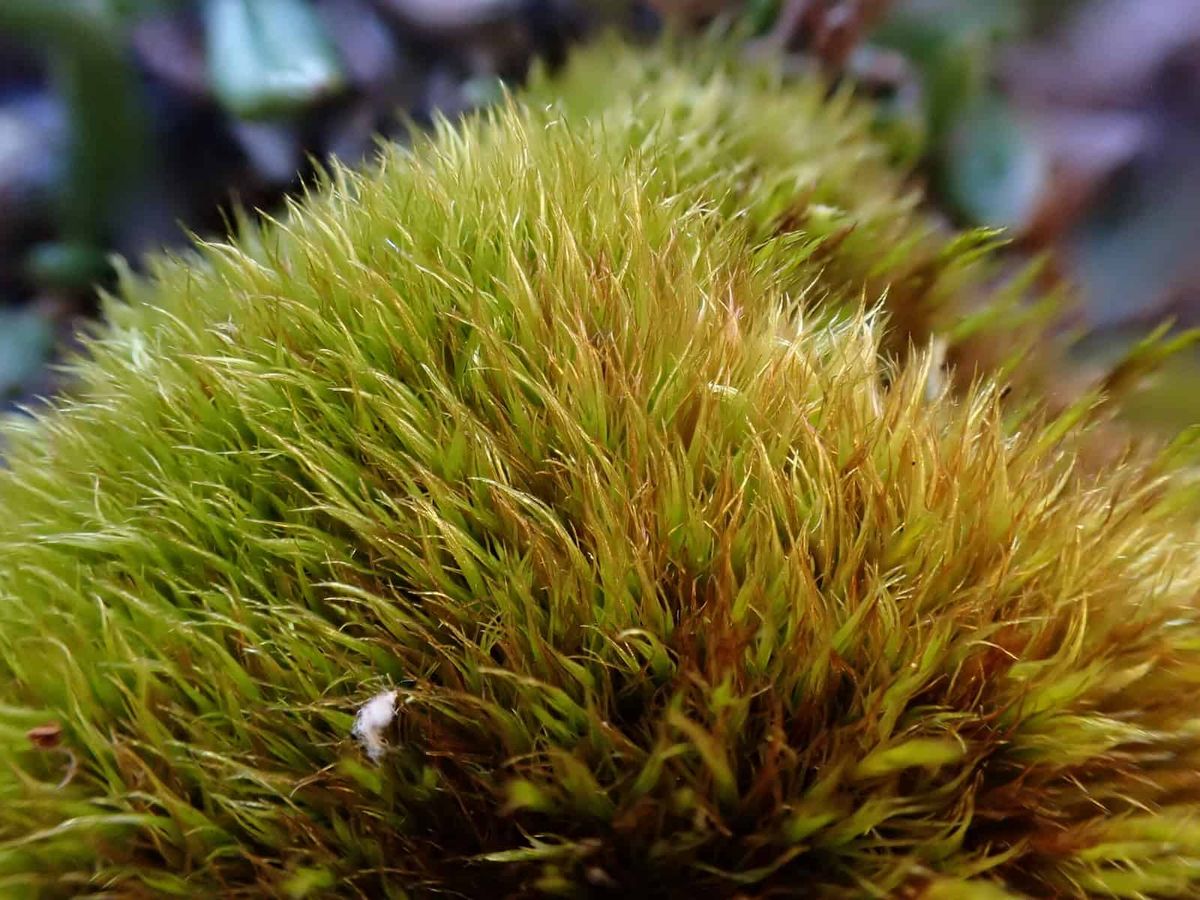
Cette semaine, voici les vingt articles scientifiques les plus partagés/aimés/postés dans notre enquête. Une citation d’Henri Poincaré m’est venue à l’esprit : "La science est construite de faits, comme une maison est construite de pierres ; mais une accumulation de faits n’est pas plus une science qu’un tas de pierres n’est une maison." Le deuxième article le plus partagé cette semaine est ancien, datant de 2009, mais il semble que les gens aient besoin de se rappeler qu’il y a plus dans la science que des données. Comme d’habitude, les articles derrière un paywall sont marqués 💰 sinon ils sont gratuits au moment de la vérification.
Nous examinons les publications des personnes sur la liste Botany Auto et repérons les entrées avec des liens vers des articles. Chaque fois qu’un article fait l’objet d’un post, il obtient 4 points. Il obtient 3 points pour un repost et 1 point pour un like.
Nous essayons d’ajouter des personnes à la publication Botany Auto, si elles publient sur la botanique (ne doivent pas nécessairement être des liens vers des articles) environ 20% du temps ou plus. L’idée est que parce que la liste dans son ensemble partage un intérêt pour les plantes, c’est ce matériel qui a tendance à remonter en haut.
Si vous pensez que vous devriez être sur la liste Botany Auto, mais que vous n’y êtes pas, veuillez envoyer un message à @botany.one sur Bluesky.
Parmi les articles les plus partagés cette semaine, on retrouve une revue de Keiko Torii sur les hormones peptidiques végétales, une réflexion sur la fin de la théorie en science par Massimo Pigliucci, une méthode de marquage de proximité TurboID pour détecter les interactions protéiques extracellulaires chez les plantes, une analyse phylogénomique nucléaire et plastidique à grande échelle pour informer une classification mise à jour du groupe de phylogénie des Angiospermes et une étude sur les effets des invertébrés et de l’environnement local sur les taux de décomposition de la biomasse végétale et animale morte le long d’un gradient d’altitude. Le résumé de l’article publié dans Nature Climate Change met en lumière une analyse spatiale nationale des impacts de l’adoption des cultures génétiquement modifiées (GM) aux États-Unis au cours des quatre dernières décennies. Les résultats montrent que l’adoption des cultures GM est largement associée à des avantages en termes de rendement. Des rendements plus élevés et une volatilité plus faible du rendement ont été observés pour le maïs et le soja, avec une atténuation partielle des effets adverses du climat sur le rendement, et des effets plus modestes pour le coton, ce qui laisse entendre que le développement des cultures GM et les forces associées ont amélioré la résilience au stress induit par le climat. Cette étude met en lumière les bénéfices inattendus des cultures GM face au changement climatique, notamment une réduction de la volatilité des rendements, moins de pertes liées au climat et même un ralentissement du déplacement vers le nord de la production de maïs et de soja aux États-Unis. Le phénomène de mortalité induite par la sécheresse se produit lorsque des dommages structurels et des dysfonctionnements physiologiques compromettent la capacité d’un arbre à se rétablir, mais il reste encore flou à quel moment les arbres passent du stress réversible à la perte de vitalité irréversible au niveau de l’arbre entier. En combinant des informations détaillées sur l’architecture de fines branches issues de la numérisation laser terrestre avec des données de croissance radiale de 174 arbres, nous avons évalué comment le déclin structurel et de croissance est lié à la mortalité induite par la sécheresse chez le hêtre européen (Fagus sylvatica).
16. CERK1-mediated phosphorylation of nitrilases activates auxin biosynthesis and promotes resistance to Botrytis cinerea
Dans cette étude, les chercheurs ont identifié les nitrilases NIT1, NIT2 et NIT3 comme des composants clés de la biosynthèse de l’auxine pendant l’infection. Lors de la perception du chitine, CERK1 s’associe et phosphoryle les nitrilases pour stimuler la conversion de l’indole-3-acétonitrile (IAN) en acide indole-3-acétique (IAA), activant ainsi la signalisation de l’auxine et favorisant la résistance à B. cinerea.
17. Structural Evolution of LEAFY Reveals DNA-Mediated Cooperativity and Dimerization Shifts at the Water-to-Land Transition
Cette étude combine des déterminations structurales expérimentales et des essais biochimiques pour révéler comment la dimerisation de LFY et les préférences de liaison à l’ADN ont changé lors de la transition de l’eau à la terre. Les chercheurs présentent des structures cristallines du domaine de liaison à l’ADN de LFY provenant de la bryophyte Nothoceros aenigmaticus et de l’algue Interfilum paradoxum liées à l’ADN, démontrant deux mécanismes de dimerisation distincts : l’un médié par des interactions protéine-protéine directes et l’autre induit par la coopérativité médiée par l’ADN.
18. The ZmBBM2-BBIP1-RCC1-4 module enhances callus growth and genetic transformation efficiency in maize
L’étude met en évidence que le gène BABY BOOM (BBM) code pour un facteur de transcription AP2 appartenant à la sous-famille AINTEGUMENTA-LIKE (AIL) et est largement reconnu comme un régulateur clé de l’embryogenèse. Chez le maïs, l’expression ectopique de ZmBBM améliore significativement l’efficacité de la transformation génétique à travers plusieurs lignées consanguines. De même, la surexpression d’un autre homologue de BBM du maïs, ZmBBM2, favorise la prolifération rapide du cal et améliore considérablement l’efficacité de la transformation dans le germplasm d’élite.
19. Nondefense functions of plant specialized metabolites: ecological phenomena, molecular mechanisms, and evolutionary implications
Cette étude souligne que les cadres d’étude de la chimie des plantes supposent souvent que l’évolution chimique de la défense est principalement façonnée par les herbivores. Cependant, il existe des preuves croissantes que la variation chimique de défense influence également un certain nombre de fonctions et interactions non défensives. Ces effets corrélés sont répandus et peuvent découler d’une diversité de mécanismes moléculaires sous-jacents, allant de la pléiotropie à la régulation partagée à la sélection naturelle passée corrélée.
20. Make it so: Rapid and affordable plasmid sequencing on ONT platforms with PICARD-seq
Cette étude présente PICARD-seq, un protocole rapide basé sur nanopores qui utilise des réactifs de marquage rapide Tn5 hors étagère et un MinION pour séquencer des pools de plasmides entiers en moins d’une journée, et évalue systématiquement les pipelines informatiques disponibles pour analyser les données obtenues. l’histoire du roman "Les Misérables" de Victor Hugo.
"Les Misérables" est un roman de Victor Hugo publié en 1862 qui raconte l’histoire de Jean Valjean, un ancien bagnard qui tente de se reconstruire une vie après avoir été libéré de prison. Après avoir volé du pain pour nourrir sa famille affamée, Valjean est condamné à une peine de travaux forcés. Après sa libération, il change d’identité et devient un homme honnête et généreux, mais est pourchassé par l’inspecteur Javert, obsédé par l’idée de le ramener en prison.
Au fil de l’histoire, Valjean rencontre Fantine, une jeune femme tombée dans la misère et contrainte de se prostituer pour subvenir aux besoins de sa fille Cosette. Valjean promet à Fantine de prendre soin de Cosette et s’engage à en faire sa propre fille. Ensemble, ils s’échappent de l’emprise de Javert et trouvent refuge à Paris.
Le roman suit ensuite le destin de Cosette, élevée par Valjean dans un monde marqué par la misère et l’injustice sociale. Elle rencontre Marius, un jeune révolutionnaire, et tombe amoureuse de lui. Alors que la révolution éclate à Paris, Valjean se retrouve pris entre son désir de protéger Cosette et son passé de hors-la-loi.
"Les Misérables" est une fresque romanesque qui explore les thèmes de la justice, de la rédemption et de l’amour. À travers le destin de ses personnages, Victor Hugo dresse un portrait saisissant de la société française du XIXe siècle, marquée par les inégalités sociales et les luttes politiques. Le roman se termine sur une note d’espoir, avec la réconciliation de Valjean et Javert dans la mort, symbole de la capacité de l’homme à se racheter et à trouver la paix.
Et voici la source pour plus d’infos.

Gabriel Durant est un journaliste et écrivain français spécialisé dans la région Occitanie. Né dans la ville de Perpignan, Gabriel a toujours été passionné par l'histoire, la culture et la langue de la région. Après avoir étudié la littérature et le journalisme à la Sorbonne, il a commencé à écrire pour le site web Vent d'Autan, où il couvre un large éventail de sujets liés à l'Occitanie. En plus de son travail de journaliste, Gabriel est également un romancier accompli.
- Gabriel Durand
- Gabriel Durand
- Gabriel Durand
- Gabriel Durand
- Gabriel Durand
- Gabriel Durand
- Gabriel Durand
- Gabriel Durand
- Gabriel Durand
- Gabriel Durand
- Gabriel Durand
- Gabriel Durand
- Gabriel Durand
- Gabriel Durand
- Gabriel Durand
- Gabriel Durand
- Gabriel Durand
- Gabriel Durand
- Gabriel Durand
- Gabriel Durand
- Gabriel Durand
- Gabriel Durand
- Gabriel Durand
- Gabriel Durand
- Gabriel Durand
- Gabriel Durand
- Gabriel Durand
- Gabriel Durand
- Gabriel Durand
- Gabriel Durand
- Gabriel Durand
- Gabriel Durand
- Gabriel Durand
- Gabriel Durand
- Gabriel Durand
- Gabriel Durand
- Gabriel Durand
- Gabriel Durand
- Gabriel Durand
- Gabriel Durand
- Gabriel Durand
- Gabriel Durand
- Gabriel Durand
- Gabriel Durand
- Gabriel Durand
- Gabriel Durand
- Gabriel Durand
- Gabriel Durand
- Gabriel Durand
- Gabriel Durand
- Gabriel Durand
- Gabriel Durand
- Gabriel Durand
- Gabriel Durand
- Gabriel Durand
- Gabriel Durand
- Gabriel Durand
- Gabriel Durand
- Gabriel Durand
- Gabriel Durand
- Gabriel Durand
- Gabriel Durand
- Gabriel Durand
- Gabriel Durand
- Gabriel Durand
- Gabriel Durand
- Gabriel Durand
- Gabriel Durand
- Gabriel Durand
- Gabriel Durand
- Gabriel Durand
- Gabriel Durand
- Gabriel Durand
- Gabriel Durand
- Gabriel Durand
- Gabriel Durand
- Gabriel Durand
- Gabriel Durand
- Gabriel Durand
- Gabriel Durand
- Gabriel Durand
- Gabriel Durand
- Gabriel Durand
- Gabriel Durand
- Gabriel Durand
- Gabriel Durand
- Gabriel Durand
- Gabriel Durand
- Gabriel Durand
- Gabriel Durand
- Gabriel Durand
- Gabriel Durand
- Gabriel Durand
- Gabriel Durand
- Gabriel Durand
- Gabriel Durand
- Gabriel Durand
- Gabriel Durand
- Gabriel Durand
- Gabriel Durand
- Gabriel Durand
- Gabriel Durand
- Gabriel Durand
- Gabriel Durand
- Gabriel Durand
- Gabriel Durand
- Gabriel Durand
- Gabriel Durand
- Gabriel Durand
- Gabriel Durand
- Gabriel Durand
- Gabriel Durand
- Gabriel Durand
- Gabriel Durand
- Gabriel Durand
- Gabriel Durand
- Gabriel Durand
- Gabriel Durand
- Gabriel Durand
- Gabriel Durand
- Gabriel Durand
- Gabriel Durand
- Gabriel Durand
- Gabriel Durand
- Gabriel Durand
- Gabriel Durand
- Gabriel Durand
- Gabriel Durand
- Gabriel Durand
- Gabriel Durand
- Gabriel Durand
- Gabriel Durand
- Gabriel Durand
- Gabriel Durand
- Gabriel Durand
- Gabriel Durand
- Gabriel Durand
- Gabriel Durand
- Gabriel Durand
- Gabriel Durand
- Gabriel Durand
- Gabriel Durand
- Gabriel Durand
- Gabriel Durand
- Gabriel Durand
- Gabriel Durand
- Gabriel Durand
- Gabriel Durand
- Gabriel Durand
- Gabriel Durand
- Gabriel Durand
- Gabriel Durand
- Gabriel Durand
- Gabriel Durand
- Gabriel Durand
- Gabriel Durand
- Gabriel Durand
- Gabriel Durand
- Gabriel Durand
- Gabriel Durand
- Gabriel Durand
- Gabriel Durand
- Gabriel Durand
- Gabriel Durand
- Gabriel Durand
- Gabriel Durand
- Gabriel Durand
- Gabriel Durand
- Gabriel Durand
- Gabriel Durand
- Gabriel Durand
- Gabriel Durand
- Gabriel Durand
- Gabriel Durand
- Gabriel Durand
- Gabriel Durand
- Gabriel Durand
- Gabriel Durand
- Gabriel Durand
- Gabriel Durand
- Gabriel Durand
- Gabriel Durand
- Gabriel Durand
- Gabriel Durand
- Gabriel Durand
- Gabriel Durand
- Gabriel Durand
- Gabriel Durand
- Gabriel Durand
- Gabriel Durand
- Gabriel Durand
- Gabriel Durand
- Gabriel Durand
- Gabriel Durand
- Gabriel Durand
- Gabriel Durand
- Gabriel Durand
- Gabriel Durand
- Gabriel Durand
- Gabriel Durand
- Gabriel Durand
- Gabriel Durand
- Gabriel Durand
- Gabriel Durand
- Gabriel Durand
- Gabriel Durand
- Gabriel Durand
- Gabriel Durand
- Gabriel Durand
- Gabriel Durand
- Gabriel Durand
- Gabriel Durand
- Gabriel Durand
- Gabriel Durand
- Gabriel Durand
- Gabriel Durand
- Gabriel Durand
- Gabriel Durand
- Gabriel Durand
- Gabriel Durand
- Gabriel Durand
- Gabriel Durand
- Gabriel Durand
- Gabriel Durand
- Gabriel Durand
- Gabriel Durand
- Gabriel Durand
- Gabriel Durand
- Gabriel Durand
- Gabriel Durand
- Gabriel Durand
- Gabriel Durand
- Gabriel Durand
- Gabriel Durand
- Gabriel Durand
- Gabriel Durand
- Gabriel Durand
- Gabriel Durand
- Gabriel Durand
- Gabriel Durand
- Gabriel Durand
- Gabriel Durand
- Gabriel Durand
- Gabriel Durand
- Gabriel Durand
- Gabriel Durand
- Gabriel Durand
- Gabriel Durand
- Gabriel Durand
- Gabriel Durand
- Gabriel Durand
- Gabriel Durand
- Gabriel Durand
- Gabriel Durand
- Gabriel Durand
- Gabriel Durand
- Gabriel Durand
- Gabriel Durand
- Gabriel Durand
- Gabriel Durand
- Gabriel Durand
- Gabriel Durand
- Gabriel Durand
- Gabriel Durand
- Gabriel Durand
- Gabriel Durand
- Gabriel Durand
- Gabriel Durand
- Gabriel Durand
- Gabriel Durand
- Gabriel Durand
- Gabriel Durand
- Gabriel Durand
- Gabriel Durand
- Gabriel Durand
- Gabriel Durand
- Gabriel Durand
- Gabriel Durand
- Gabriel Durand
- Gabriel Durand
- Gabriel Durand
- Gabriel Durand
- Gabriel Durand
- Gabriel Durand
- Gabriel Durand
- Gabriel Durand
- Gabriel Durand
- Gabriel Durand
- Gabriel Durand
- Gabriel Durand
- Gabriel Durand
- Gabriel Durand
- Gabriel Durand
- Gabriel Durand
- Gabriel Durand
- Gabriel Durand
- Gabriel Durand
- Gabriel Durand
- Gabriel Durand
- Gabriel Durand
- Gabriel Durand
- Gabriel Durand
- Gabriel Durand
- Gabriel Durand
- Gabriel Durand
- Gabriel Durand
- Gabriel Durand
- Gabriel Durand
- Gabriel Durand
- Gabriel Durand
- Gabriel Durand
- Gabriel Durand
- Gabriel Durand
- Gabriel Durand
- Gabriel Durand
- Gabriel Durand
- Gabriel Durand
- Gabriel Durand
- Gabriel Durand
- Gabriel Durand
- Gabriel Durand
- Gabriel Durand
- Gabriel Durand
- Gabriel Durand
- Gabriel Durand
- Gabriel Durand
- Gabriel Durand
- Gabriel Durand
- Gabriel Durand
- Gabriel Durand
- Gabriel Durand
- Gabriel Durand
- Gabriel Durand
- Gabriel Durand
- Gabriel Durand
- Gabriel Durand
- Gabriel Durand
- Gabriel Durand
- Gabriel Durand
- Gabriel Durand
- Gabriel Durand
- Gabriel Durand
- Gabriel Durand
- Gabriel Durand
- Gabriel Durand
- Gabriel Durand
- Gabriel Durand
- Gabriel Durand
- Gabriel Durand
- Gabriel Durand
- Gabriel Durand
- Gabriel Durand
- Gabriel Durand
- Gabriel Durand
- Gabriel Durand
- Gabriel Durand
- Gabriel Durand
- Gabriel Durand
- Gabriel Durand
- Gabriel Durand
- Gabriel Durand
- Gabriel Durand
- Gabriel Durand
- Gabriel Durand
- Gabriel Durand
- Gabriel Durand
- Gabriel Durand
- Gabriel Durand
- Gabriel Durand
- Gabriel Durand
- Gabriel Durand


